
🕊️ The Coming of the Humble King and Divine Deliverance 🕊️
“Rejoice greatly, O daughter of Zion; shout, O daughter of Jerusalem: behold, thy King cometh unto thee: he is just, and having salvation; lowly, and riding upon an ass, and upon a colt the foal of an ass.” – Zechariah 9:9 (KJV)
Zechariah 9 is a prophetic masterpiece that blends judgment, deliverance, and Messianic expectation. The chapter opens with God’s condemnation of surrounding nations that oppressed Israel, demonstrating His sovereignty over all peoples. It then shifts to the promise of salvation and the arrival of a righteous King who will bring peace and justice.
The chapter addresses both immediate historical realities and future Messianic fulfillment. The northern and western nations—Tyre, Sidon, Philistia, and the cities of Syria—are called to account for their pride and oppression. God’s judgment is precise, measured, and certain. Yet amidst these warnings, Israel is reassured of God’s protective power and the coming of a King whose reign is righteous, humble, and victorious.
Zechariah 9 highlights the duality of God’s rule: justice for the wicked and salvation for His people. It points forward to Christ, whose triumph blends humility and authority. The chapter also emphasizes God’s active involvement in history, orchestrating events to deliver His covenant people.
📜 Structure of Zechariah Chapter 9
Verses 1–8: Judgment on Surrounding Nations
God announces His coming against the coastal cities and territories surrounding Israel. Tyre and Sidon are rebuked for their pride; Philistia and cities in the plain are warned of desolation. The judgment is both spiritual and political, showing that oppression and pride will not escape divine oversight. God promises to defend Judah and Jerusalem, underscoring His covenantal commitment.
Verses 9–10: The Promise of the Humble King
The prophetic focus turns to Israel’s King. Verse 9 describes the Messiah entering Jerusalem “lowly, and riding upon an ass, and upon a colt the foal of an ass.” Unlike worldly rulers who wielded power through force, this King embodies justice, humility, and salvation. His reign will extend over all nations, bringing peace rather than war. This verse is famously fulfilled in Christ’s triumphal entry into Jerusalem (Matthew 21:5), blending prophecy with historical realization.
Verses 11–17: Salvation and Deliverance for God’s People
God promises to deliver His people from their oppressors, particularly those from Babylonian exile. The chapter emphasizes protection, strength, and victory for the faithful. Israel’s warriors are described as empowered by God, and even the meek will inherit security. The Lord’s covenantal faithfulness ensures that righteousness will triumph over oppression, and God’s presence will bring rejoicing, peace, and prosperity.
💡 Key Themes
✨ Divine Justice
God’s judgment falls upon proud and oppressive nations. No act of tyranny escapes His notice.
✨ The Humble, Righteous King
The Messiah exemplifies humility, justice, and salvation, demonstrating that true leadership is servanthood empowered by God.
✨ God’s Covenantal Protection
Israel is reassured that God actively defends and restores His people, delivering them from their enemies.
👤 Key People and Symbols
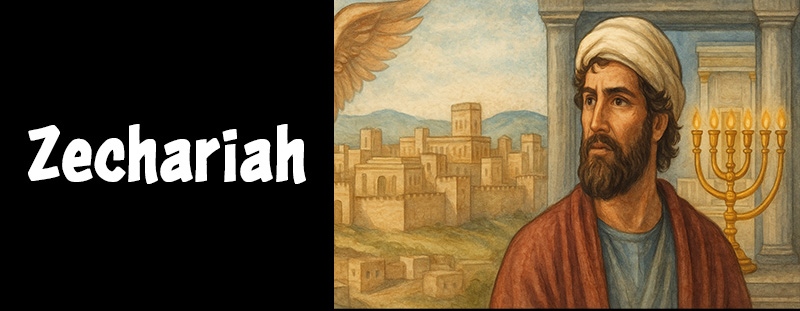
- Zechariah – Prophet conveying God’s message of judgment and salvation.
- The Humble King / Messiah (The Branch) – Foretells Christ, who reigns in righteousness and humility.
- Tyre, Sidon, Philistia, and neighboring nations – Representing God’s judgment on oppressors.
- Israel / Jerusalem – Covenant community receiving protection and restoration.
🔥 Why This Chapter Matters
Zechariah 9 reassures believers that God governs history and will deliver His people. The prophecy of the humble King reminds us that true leadership and victory come through justice, righteousness, and humility, not force or pride.
This chapter also highlights the dual nature of God’s work: judgment against sin and salvation for the faithful. It bridges historical events and Messianic hope, showing that God fulfills His promises in both the short term (restoration from exile) and the long term (Christ’s reign). For modern readers, it affirms that God is sovereign, just, and faithful to His covenant.
💭 Let’s Reflect
- How do you respond to God’s justice and His deliverance in your own life?
- In what ways can you emulate humility and righteousness in leadership or service?
- Are you trusting God’s timing for protection and restoration amid challenges?
❓ Ready to Go Deeper?
👉 Zechariah Chapter 10 – God strengthens Judah and raises leaders