
🕯️ Sanctity and Proper Worship 🕯️
“No stranger shall eat thereof; but he that is born in the house of Israel, or a hired servant, or a sojourner, shall eat thereof.” – Leviticus 22:10
Leviticus 22 emphasizes the holiness required in approaching God through sacrifices. God instructs priests and the people on acceptable offerings, purity requirements, and restrictions to ensure that worship is reverent and pleasing to Him. This chapter demonstrates that God’s standards for worship are sacred and precise, reflecting His holiness.
The chapter begins by instructing priests not to profane the sanctuary or eat holy offerings while unclean. Priests must maintain physical and ceremonial purity, reinforcing that spiritual service requires personal holiness. Those who violate these standards face serious consequences, highlighting that God’s presence demands respect and reverence.
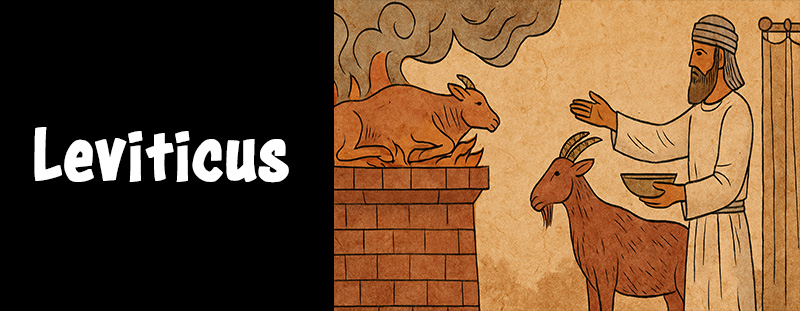
God also specifies that sacrifices must be without blemish. Animals with defects cannot be offered, as God is holy and deserving of the best. The chapter emphasizes that God accepts worship that is faithful, wholehearted, and conducted according to His instructions.
Additionally, Leviticus 22 sets rules for who may eat from holy offerings. Only priests in a state of purity or certain approved members of Israel may partake, emphasizing the importance of separation and reverence in approaching God. These laws safeguard the sanctity of God’s covenant and the sacredness of offerings.
This chapter foreshadows Christ’s perfect offering, as He is without blemish and provides ultimate access to God. Believers today can approach God through Christ, who fulfills the law of purity, making us spiritually holy and accepted before God (Hebrews 10:10).
📜 Structure of Leviticus Chapter 22
Verses 1–16: Priests Must Maintain Purity
God commands priests to avoid profaning holy offerings and outlines how physical or ceremonial uncleanliness disqualifies them from service.
Verses 17–25: Offerings Must Be Without Blemish
All animals offered for sacrifices must be perfect and unblemished, teaching that God deserves the best and purest worship.
Verses 26–33: Who May Eat Holy Offerings
Holy food may only be eaten by clean priests, Israelites, hired servants, or approved sojourners, ensuring that access to sacred gifts maintains reverence and holiness.
💡 Key Themes
✨ Holiness in Worship
God requires offerings and priests to reflect His purity and sanctity.
✨ Reverence and Respect
Proper conduct and attention to detail in sacrifices demonstrate honor toward God.
✨ God Deserves the Best
Sacrifices must be perfect and pure, showing that God’s worthiness demands excellence in worship.
👤 Key People
- Moses – Communicates God’s instructions on priestly conduct and offerings.
- Priests (Aaron’s descendants) – Called to maintain purity when serving God.
- Israelites – Must follow God’s instructions to partake in worship and offerings appropriately.
- God – Establishes holiness as the standard for worship and approach to Him.
🔥 Why This Chapter Matters
Leviticus 22 teaches that approaching God requires holiness, purity, and reverence. Proper worship honors God and maintains the sacredness of the covenant. Christ fulfills these laws perfectly, offering Himself as the ultimate unblemished sacrifice, granting believers access to God.
💭 Let’s Reflect
- How does your attitude toward worship reflect God’s holiness?
- Are there areas of your life that need to be set apart or purified before serving God?
- How does Christ’s sacrifice allow us to worship God without fear of imperfection?
❓ Ready to Go Deeper?
👉 Start reading Leviticus chapter 23 – God’s appointed feasts and holy days
Or, if you’d like to jump to a specific chapter in Leviticus, simply click the chapter number below:
1 | 2 | 3 | 4 | 5 | 6 | 7 | 8 | 9 | 10 | 11 | 12 | 13 | 14 | 15 | 16 | 17 | 18 | 19 | 20 | 21 | 22 | 23 | 24 | 25 | 26 | 27