
🕊️ Atonement and Holiness Through Sacrifice 🕊️
“And he shall make an atonement for the holy place, because of the uncleanness of the children of Israel, and because of their transgressions in all their sins: and so shall he do for the tabernacle of the congregation, that remaineth among them in the midst of their uncleanness.” – Leviticus 16:16
Leviticus 16 outlines the Day of Atonement (Yom Kippur), the most sacred day in the Israelite calendar. It is a day for atoning for the sins of the entire nation, emphasizing God’s holiness and the necessity of reconciliation. This chapter demonstrates how obedience, ritual, and sacrifice maintain both personal and communal holiness.
The chapter begins with God instructing Moses regarding Aaron, the high priest. Aaron must follow specific rituals to enter the Most Holy Place, which includes wearing special garments, performing sin offerings, and avoiding unauthorized entry, emphasizing that God’s holiness demands precision, reverence, and preparation.
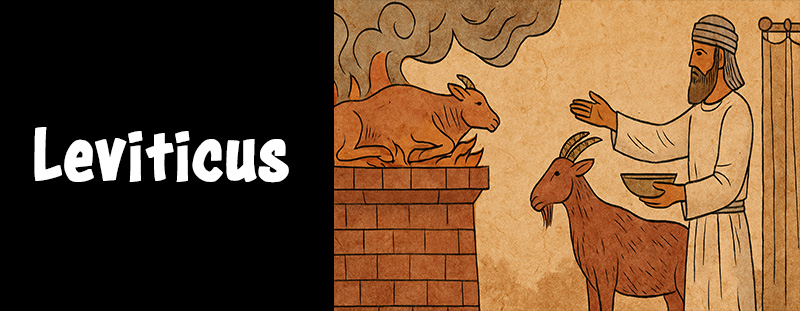
The high priest first sacrifices a bull for his own sins and then a goat for the people. The blood is sprinkled on the mercy seat of the Ark of the Covenant to atone for the sins of Israel. Another goat, known as the scapegoat, is sent into the wilderness, symbolizing the removal of sin from the community. This dual act shows God’s justice and mercy: sin is acknowledged, punished, and removed.
The rituals include ceremonial cleansing, incense offerings, and removal of impurities from both the sanctuary and the people. The chapter emphasizes that God’s presence is inseparable from holiness, and sin disrupts fellowship unless atonement is made.
Leviticus 16 foreshadows Christ’s ultimate sacrifice. Jesus fulfills the role of both high priest and perfect offering, cleansing humanity from sin once and for all, giving believers direct access to God’s presence. The Day of Atonement teaches that atonement is necessary for reconciliation, and God provides a divinely ordained path to restoration.
📜 Structure of Leviticus Chapter 16
Verses 1–2: Instructions for the High Priest
God warns Aaron not to enter the Most Holy Place at any time except as prescribed. Unauthorized entry results in death, emphasizing the seriousness of God’s holiness.
Verses 3–11: Preparations and Offerings
Aaron bathes, dresses in holy garments, and offers a bull for his sins and a goat for the people. This preparation highlights purification before approaching God.
Verses 12–19: Atonement Rituals
The high priest sprinkles blood on the mercy seat and altar, cleansing both the sanctuary and the people. The ritual demonstrates God’s provision for removing sin.
Verses 20–22: The Scapegoat
A second goat, symbolizing the removal of Israel’s sins, is sent into the wilderness. This act teaches that God removes sin entirely from His people when they follow His instructions.
Verses 23–28: Cleansing and Ongoing Observance
The sanctuary and offerings are cleaned, and the ritual is to be observed annually, ensuring that Israel maintains holiness and atonement each year.
💡 Key Themes
✨ God’s Holiness Demands Atonement
Sin disrupts fellowship with God, requiring a mediated sacrifice.
✨ Mercy and Removal of Sin
The scapegoat demonstrates God’s provision for complete removal of iniquity.
✨ Foreshadowing Christ
Jesus fulfills both priest and sacrifice, achieving ultimate atonement for humanity.
👤 Key People
- Moses – Delivers God’s instructions for the Day of Atonement.
- Aaron – High priest who performs the sacrifices and rituals.
- The People of Israel – Participate by observing the atonement day and offerings.
🔥 Why This Chapter Matters
Leviticus 16 underscores that sin cannot be ignored. God provides a divinely appointed system of atonement that protects His holiness and restores fellowship. For believers, Christ is the fulfillment of this chapter, offering complete cleansing, reconciliation, and access to God’s presence.
💭 Let’s Reflect
- Are there areas of sin in your life that need acknowledgment and atonement?
- How does the Day of Atonement teach the seriousness of sin and the provision of God’s mercy?
- How does Christ fulfill the role of both high priest and perfect sacrifice in your life?
❓ Ready to Go Deeper?
👉 Start reading Leviticus chapter 17 – Laws concerning blood and sacrifices
Or, if you’d like to jump to a specific chapter in Leviticus, simply click the chapter number below:
1 | 2 | 3 | 4 | 5 | 6 | 7 | 8 | 9 | 10 | 11 | 12 | 13 | 14 | 15 | 16 | 17 | 18 | 19 | 20 | 21 | 22 | 23 | 24 | 25 | 26 | 27