
🔥 Faithfulness in Worship and Responsibility 🔥
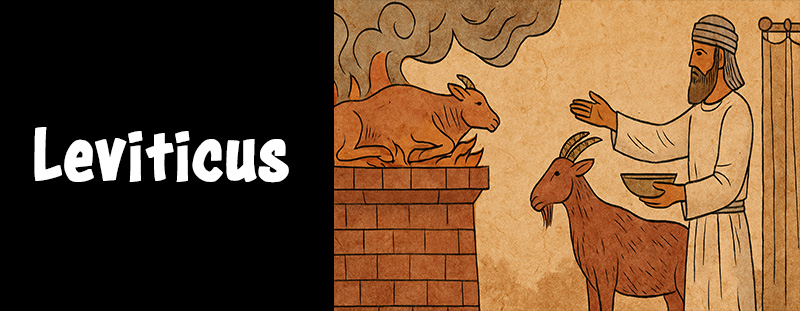
“The fire shall ever be burning upon the altar; it shall never go out.” – Leviticus 6:13
Leviticus 6 continues God’s detailed instructions regarding offerings, with a strong emphasis on responsibility, restitution, and consistency in worship. This chapter revisits the guilt offering but expands on the necessity of making things right not only with God, but also with others. It reinforces the idea that sin often impacts relationships, and true repentance requires both confession and correction.
God commands that when someone sins through deceit, theft, or dishonesty, they must restore what was taken and add an additional portion. This requirement highlights that righteousness is not just spiritual—it is also practical and relational. As Scripture says, “Therefore if thou bring thy gift to the altar, and there rememberest that thy brother hath ought against thee; Leave there thy gift before the altar, and go thy way; first be reconciled to thy brother.” – Matthew 5:23-24
The chapter then shifts focus to the duties of the priests, particularly in maintaining the burnt offering. The command that the fire must never go out symbolizes continuous devotion and ongoing worship. This teaches that our relationship with God is not occasional but requires daily faithfulness.
Leviticus 6 ultimately reveals that worship is both internal and external. It involves the heart, but it also requires disciplined action, obedience, and consistency. The principles found here point forward to a life fully committed to God, where devotion is sustained and not temporary.
📜 Structure of Leviticus Chapter 6
Verses 1–7: Guilt Offering and Restitution
These verses address sins involving deception, theft, or dishonesty. The offender must restore what was taken in full and add a fifth part more, then present a ram as a guilt offering. This shows that repentance requires making amendsand taking responsibility for one’s actions. Forgiveness is tied to both confession and correction.
Verses 8–13: The Burnt Offering and the Perpetual Fire
God instructs the priests to keep the burnt offering fire continually burning on the altar. The ashes must be removed properly, and the fire carefully maintained. This symbolizes unceasing worship and dedication. A consistent relationship with God requires attention, discipline, and ongoing commitment.
Verses 14–23: The Grain Offering and Priestly Portion
The grain offering is presented before the Lord, with part burned on the altar and the remainder given to the priests. It must be eaten in a holy place, emphasizing reverence and sanctity. This provision also supports the priests, showing that God sustains those who serve Him.
Verses 24–30: The Sin Offering Instructions
The sin offering is described as most holy. The priest handling it must follow strict guidelines, and anything that touches it becomes holy. This reinforces the seriousness of sin and the sacredness of atonement, highlighting God’s holiness and the need for careful obedience.
💡 Key Themes
✨ Restitution and Integrity
True repentance involves restoring what was wrong and living with honesty and accountability.
✨ Continual Devotion
The ever-burning fire represents consistent worship and ongoing commitment to God.
✨ Holiness in Service
Priestly duties emphasize that serving God requires discipline, reverence, and obedience.
👤 Key People
- Moses – Receives and communicates God’s commands.
- The Priests – Maintain the offerings and uphold God’s standards of worship.
- The Offerer – Seeks forgiveness through obedience and restitution.
🔥 Why This Chapter Matters
Leviticus 6 teaches that faith is not just about moments of worship but about daily faithfulness and integrity. It reminds us that God values consistent devotion, honesty, and responsibility. The command to keep the fire burning challenges believers to maintain a steady, active relationship with God, not one that fades over time.
💭 Let’s Reflect
- Is your spiritual life marked by consistency, or does it come and go?
- Are there areas where you need to make restitution or restore integrity?
- How can you keep the “fire” of your faith continually burning?
❓ Ready to Go Deeper?
👉 Start reading Leviticus chapter 7 – Laws of offerings and sacred portions
Or, if you’d like to jump to a specific chapter in Leviticus, simply click the chapter number below:
1 | 2 | 3 | 4 | 5 | 6 | 7 | 8 | 9 | 10 | 11 | 12 | 13 | 14 | 15 | 16 | 17 | 18 | 19 | 20 | 21 | 22 | 23 | 24 | 25 | 26 | 27