
✨ Fellowship and Gratitude with God ✨
“And if his oblation be a sacrifice of peace offering, if he offer it of the herd; whether it be a male or female, he shall offer it without blemish before the LORD.” – Leviticus 3:1
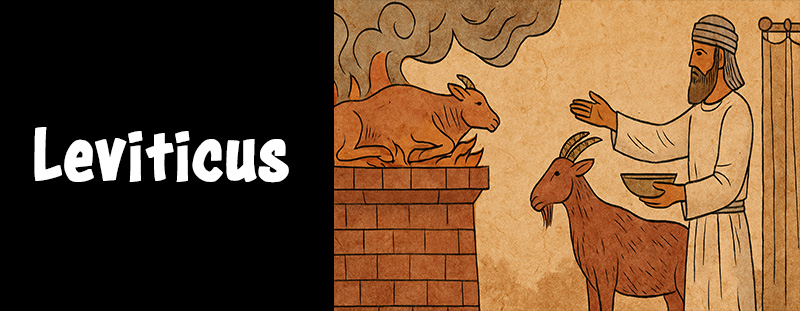
Leviticus 3 introduces the peace offering, also called the fellowship offering. Unlike burnt offerings, which were entirely consumed, the peace offering emphasizes relationship, gratitude, and communion with God. Portions of the sacrifice were burned on the altar, while the rest was shared with the priests and the offerer. This act symbolized joyful fellowship and mutual participation in God’s blessings.
The peace offering demonstrates that worship is not only about atonement or dedication but also about celebrating God’s goodness and enjoying His provision together. It highlights God’s desire for a personal and communal relationship with His people, inviting both gratitude and joy into the act of worship.
Leviticus 3 emphasizes perfection and holiness. The animal offered must be without blemish, reflecting God’s purity and the standard expected in approaching Him. Through these offerings, Israel learns that true fellowship with God involves sincere devotion, obedience, and thankfulness.
The peace offering also foreshadows Christ, who reconciled humanity to God and provides spiritual fellowship for all who believe. It reminds believers that joy, gratitude, and sharing God’s blessings are integral aspects of worship.
📜 Structure of Leviticus Chapter 3
Verses 1–5: Peace Offering from the Herd
The offerer selects an unblemished male or female from the herd. Blood is sprinkled around the altar, and specific parts are burned, producing a pleasing aroma to the Lord. The remainder is shared between the priests and offerer, symbolizing community, participation, and enjoyment of God’s blessings.
Verses 6–11: Peace Offering from the Flock
Sheep or goats may also be offered as a peace offering. The instructions mirror those for the herd, maintaining holiness and perfection. This ensures that all offerings, regardless of size, honor God and express faithfulness and gratitude.
Verses 12–17: Prohibitions and Purity
No fat or blood of the offering may be consumed improperly, emphasizing God’s holiness. Certain laws regarding the fat, entrails, and blood reflect the seriousness of approaching God and the sacredness of fellowship with Him. Obedience in these small details demonstrates reverence and acknowledgment of God’s sovereignty.
💡 Key Themes
✨ Fellowship with God
The peace offering represents community, gratitude, and shared joy in God’s blessings.
✨ Holiness and Perfection
Only unblemished animals are accepted, teaching that pure devotion is required in worship.
✨ Gratitude and Participation
Sharing the offering symbolizes the joy of partaking in God’s provision and celebrating His goodness together.
👤 Key People
- Moses – Receives God’s instructions and communicates them to Israel.
- The Offerer – Expresses gratitude and fellowship with God through the sacrifice.
- The Priests – Serve as intermediaries and participate in the communal aspect of the offering.
🔥 Why This Chapter Matters
Leviticus 3 shows that worship involves more than ritual—it is relational. The peace offering teaches believers to express gratitude, rejoice in God’s provision, and enjoy fellowship with Him and others. It highlights that holiness, obedience, and joy can coexist in worship, pointing forward to the reconciliation and communion made possible through Christ.
💭 Let’s Reflect
- How do you celebrate God’s blessings in your life?
- Are you intentional in sharing joy and fellowship with others in gratitude to God?
- In what ways can your worship reflect both holiness and relational intimacy with God?
❓ Ready to Go Deeper?
👉 Start reading Leviticus chapter 4 – Sin offerings and atonement
Or, if you’d like to jump to a specific chapter in Leviticus, simply click the chapter number below:
1 | 2 | 3 | 4 | 5 | 6 | 7 | 8 | 9 | 10 | 11 | 12 | 13 | 14 | 15 | 16 | 17 | 18 | 19 | 20 | 21 | 22 | 23 | 24 | 25 | 26 | 27