
🔥 Approaching God Through Sacrifice 🔥
“And the LORD called unto Moses, and spake unto him out of the tabernacle of the congregation, saying, Speak unto the children of Israel, and say unto them, If any man of you bring an offering unto the LORD, ye shall bring your offering of the cattle, even of the herd, and of the flock.” – Leviticus 1:1-2
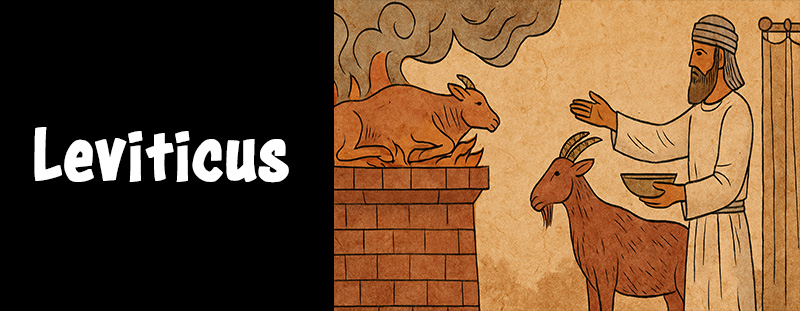
Leviticus 1 introduces the burnt offering, showing how God’s people were to approach Him in worship. This chapter sets the foundation for Israel’s sacrificial system and emphasizes the holiness required when coming before a holy God. Burnt offerings were completely consumed on the altar, symbolizing total surrender, atonement, and dedication to God. Through these instructions, God teaches His people the importance of repentance, obedience, and fellowship.
Even in this structured ritual, God communicates His expectation of purity and perfection. Whether offering cattle, sheep, goats, or birds, the sacrifice had to be without blemish. This requirement reminds us that nothing imperfect can approach God, and that true worship demands intentionality and reverence.
Leviticus 1 also foreshadows the ultimate sacrifice of Christ, who fulfilled the requirements of all offerings once and for all (Hebrews 10:10). Beyond procedure, this chapter reveals spiritual truths about surrender, holiness, and wholehearted devotion.
📜 Structure of Leviticus Chapter 1
Verses 1–9: The Burnt Offering of the Herd
The Lord instructs Moses on offering a bull from the herd. The offerer lays hands on the animal, identifying with the sacrifice, then slaughters it. Blood is applied to the altar, the animal is skinned and cut, and all parts are burned. The complete consumption represents total dedication to God and teaches that worship involves both obedience and heart commitment.
Verses 10–13: The Burnt Offering of the Flock
The offering of sheep or goats follows the same process. This allows those who cannot offer larger animals to participate. The sacrifice must be without blemish, offered willingly, and fully burned. God demonstrates that sincere worship is accessible to all, highlighting His justice and mercy.
Verses 14–17: The Burnt Offering of Birds
For those unable to afford larger animals, God permits turtledoves or young pigeons as offerings. The priest removes the crop and feathers, presenting the bird fully on the altar. Even the humblest offering, when given faithfully and obediently, is acceptable to God. This shows that heart commitment matters more than wealth or status.
💡 Key Themes
✨ Holiness and Sacrifice
Approaching God requires holiness. Sacrifices must be perfect, reminding us that God demands purity in devotion.
✨ Total Surrender
Burnt offerings are entirely consumed, symbolizing full dedication. True worship involves surrendering heart, life, and possessions.
✨ God’s Accessibility
Whether offering cattle, sheep, or birds, God accepts sacrifices from all, showing His inclusive call to worship.
👤 Key People
- Moses – Receives and communicates God’s instructions.
- The Offerer – Represents all Israel, acting in faith and obedience.
- The Priests – Execute the sacrificial rituals as commanded by God.
🔥 Why This Chapter Matters
Leviticus 1 teaches that God desires sincere devotion, not just ritual. It shows the cost of approaching a holy God, the importance of obedience, and the heart of worship. These sacrifices foreshadow Christ’s ultimate offering, demonstrating that true dedication involves both reverence and surrender.
💭 Let’s Reflect
- How do you approach God in your daily life?
- Is it with full surrender like the burnt offering?
- Do you give your best in service and devotion, or only what is convenient?
- What lessons from these ancient sacrifices point to Christ’s perfect atonement for us?
❓ Ready to Go Deeper?
👉 Start reading Leviticus chapter 2 – Grain offerings and God’s provision
Or, if you’d like to jump to a specific chapter in Leviticus, simply click the chapter number below:
1 | 2 | 3 | 4 | 5 | 6 | 7 | 8 | 9 | 10 | 11 | 12 | 13 | 14 | 15 | 16 | 17 | 18 | 19 | 20 | 21 | 22 | 23 | 24 | 25 | 26 | 27