
👑 The Danger of Self-Exaltation and Unchecked Ambition 👑
“And God sent an evil spirit between Abimelech and the men of Shechem; and the men of Shechem dealt treacherously with Abimelech.” – Judges 9:23 (KJV)
Judges chapter 9 tells the tragic story of Abimelech, the son of Gideon, whose ambition and pride lead to treachery, division, and divine judgment. This chapter explores themes of human selfishness, political intrigue, and the consequences of ignoring God’s authority. Unlike Gideon, who humbly recognized God’s rule, Abimelech seizes power through manipulation and violence, providing a sobering example of the destructive potential of pride and self-serving ambition.
The chapter begins with Abimelech conspiring to secure kingship over Israel. With the support of his mother’s relatives in Shechem, he murders seventy of his brothers—Gideon’s sons—to eliminate rivals. This ruthless act illustrates the destructive nature of human ambition when divorced from God’s will. It also highlights the consequences of attempting to achieve power through deceit, violence, and manipulation rather than through obedience to God.
Abimelech’s rise is initially successful, but God’s judgment quickly manifests. The chapter details a series of betrayals, conflicts, and divine interventions, demonstrating that self-exalted power is temporary and opposed to God’s justice. The story underscores that political and military success alone cannot secure lasting peace or blessing when God is not honored.
📜 Structure of Judges Chapter 9
Verses 1–6: Abimelech Secures Power
Abimelech, Gideon’s son, persuades the men of Shechem to make him king. He cunningly eliminates seventy of his brothers, leaving only Jotham, the youngest, alive. This violent consolidation of power marks the beginning of Israel’s moral and political decline in Shechem.
Jotham, in response, delivers a parable from Mount Gerizim, warning the people of the dangers of choosing a king motivated by selfish ambition. He uses the story of trees seeking a king to illustrate that God’s authority is the true source of righteous leadership.
Verses 7–21: Jotham’s Parable and Warning
Jotham’s parable serves as both prophecy and admonition. The olive tree, fig tree, and vine all refuse kingship, representing the rejection of God-centered leadership. The bramble accepts, symbolizing Abimelech’s dangerous and self-serving rule.
This poetic warning emphasizes that those who choose leaders for convenience or selfish gain invite disaster. It also demonstrates that God communicates warnings through His prophets and faithful servants, even when human hearts are set on wicked ambition.
Verses 22–25: God Sends an Evil Spirit
As Abimelech’s reign continues, God sends an evil spirit to sow discord between him and the men of Shechem. Betrayals and internal strife begin to weaken his position, showing that God actively judges prideful rulers and protects His covenant people from injustice.
This section highlights divine sovereignty: even human schemes and power grabs are subject to God’s ultimate authority. Pride and treachery may succeed temporarily, but God ensures that His justice prevails.
Verses 26–40: The Siege of Shechem and Abimelech’s Downfall
Abimelech attacks Shechem to punish rebellion, burning the city and killing its people. The Shechemites flee to a tower, where Abimelech uses deceit and brute force to kill them. However, the narrative emphasizes that God’s judgment is inevitable: Abimelech’s violent reign is marked by bloodshed and instability.
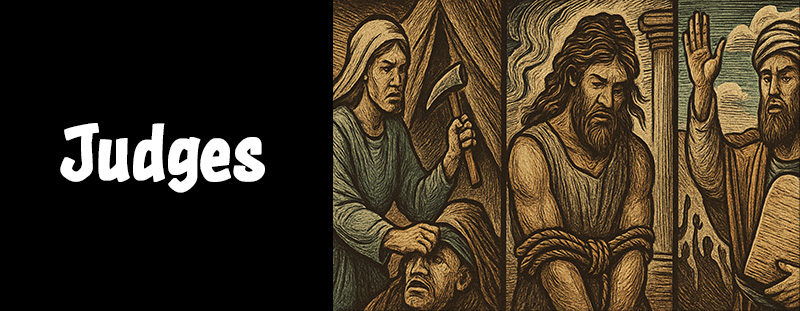
Ultimately, Abimelech meets his own death when a woman drops a millstone on his head, crushing him. Though a soldier hastens his death to avoid the shame of being killed by a woman, the act fulfills the principle that pride, violence, and disregard for God’s guidance lead to ruin.
💡 Key Themes
✨ Pride and Ambition Lead to Destruction
Abimelech’s self-exaltation and willingness to commit murder for power demonstrate the dangers of ambition unchecked by faith and obedience.
✨ God’s Justice Prevails
Even when human power seems absolute, God’s sovereignty ensures that injustice and wickedness are ultimately punished.
✨ The Power of Prophetic Warning
Jotham’s parable shows that God’s messengers provide guidance and warnings, though human hearts may choose to ignore them at great cost.
👤 Key People
- Abimelech – Gideon’s ambitious son, becomes king through violence and manipulation.
- Jotham – Gideon’s youngest son, delivers a prophetic parable warning Shechem of Abimelech’s evil.
- The Men of Shechem – Initially support Abimelech but later face God’s judgment for their complicity.
- The Woman with the Millstone – Instrument of God’s judgment on Abimelech.
🔥 Why This Chapter Matters
Judges 9 teaches the danger of self-serving leadership and the consequences of pride and ambition when divorced from God’s will. It reminds believers that justice belongs to the Lord and that human schemes cannot ultimately triumph over divine authority. Leaders must be humble, God-centered, and accountable to avoid disaster.
💭 Let’s Reflect
- Are there areas in your life where pride or ambition could lead you away from God’s guidance?
- How do you respond to warnings from God or His servants—do you listen or ignore them?
- What lessons can you take from Abimelech’s rise and fall about leadership and accountability?
❓ Ready to Go Deeper?
👉 Judges chapter 10 – Israel again falls into oppression and cries out to God
Or, if you’d like to jump to a specific chapter in Judges, simply click the chapter number below:
1 | 2 | 3 | 4 | 5 | 6 | 7 | 8 | 9 | 10 | 11 | 12 | 13 | 14 | 15 | 16 | 17 | 18 | 19 | 20 | 21