
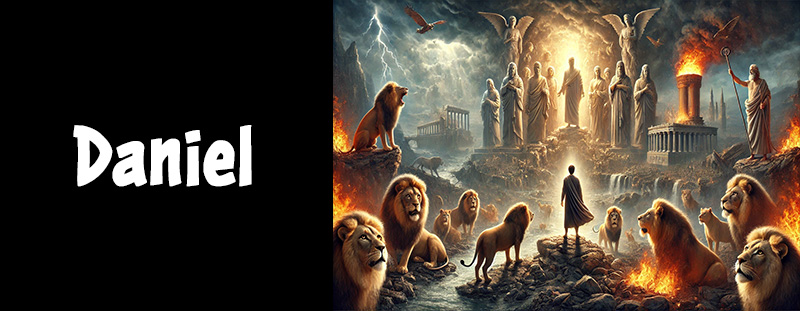
🐏🐐 Visions of Power, Pride, and Providence 🐐🐏
“And he said, Behold, I will make thee know what shall be in the last end of the indignation: for at the time appointed the end shall be.” – Daniel 8:19 (KJV)
Daniel chapter 8 shifts from the four-beast vision to a more detailed, symbolic prophecy concerning specific kingdoms and rulers. Unlike chapter 7, which covers history broadly, this vision narrows focus, revealing how God’s sovereign plan unfolds through empires, human pride, and eventual judgment. It underscores that while kingdoms rise and rulers exalt themselves, God remains the ultimate authority, orchestrating events according to His perfect timing.
The chapter is a study in divine foresight. The symbols—a ram, a goat, and a little horn—represent empires and powers that will oppress God’s people. Daniel sees their strength, speed, and arrogance, but he also sees God’s judgment and the ultimate triumph of His sovereignty. Chapter 8 reassures believers that God’s plan is precise, and no human ambition can thwart it.
📜 Structure of Daniel Chapter 8
Verses 1–8: The Vision of the Ram and the Goat
Daniel sees a ram with two horns, representing the Medo-Persian empire—strong and unyielding. One horn is higher, symbolizing Persia’s dominance over Media. The ram pushes west, north, and south, conquering all in its path.
A male goat appears from the west with a single notable horn, representing Greece and, specifically, Alexander the Great. The goat moves with incredible speed, striking down the ram and shattering its horns. When the large horn breaks, four notable horns arise in its place, representing the division of Alexander’s empire after his death.
This section emphasizes that while human kingdoms seem unstoppable, God’s sovereignty governs their rise, fall, and division. Earthly strength is temporary. Divine orchestration is eternal.
Verses 9–14: The Little Horn and the Oppression of the Saints
From one of the four horns rises a little horn, which grows exceedingly great. This horn represents a future arrogant ruler who opposes God and persecutes His people. It magnifies itself, challenges God’s law, and disrupts the sacred sanctuary.
The vision highlights a time of tribulation for God’s people—symbolic of oppression, desecration, and suffering under worldly powers. Yet, Daniel is told the vision concerns the “time of the end”, assuring that God’s justice is measured, intentional, and will ultimately prevail.
Verses 15–18: Daniel Seeks Understanding
Daniel hears a voice and is guided by a holy angel, who explains the vision. He struggles to comprehend its meaning, overwhelmed by its intensity. The angel reassures him: God alone controls the rise and fall of kingdoms. Daniel’s reaction shows the natural human response to God’s prophetic mysteries—fear, awe, and reverence.
This passage reminds believers that revelation often comes gradually. Understanding requires patience, humility, and dependence on God.
Verses 19–27: The Interpretation and God’s Timing
The angel interprets the vision:
- The ram represents Medo-Persia.
- The goat represents Greece.
- The little horn is a future oppressor, often associated with Antiochus Epiphanes historically, but also a type of all anti-God rulers.
The vision details a period of great tribulation lasting 2,300 days, after which God’s sanctuary is cleansed. Daniel is left troubled, recognizing the difficulties God’s people will face, but also reassured that God’s plan is precise and purposeful.
The angel emphasizes that some aspects of the vision remain for the future, reminding Daniel (and us) that prophetic understanding is partial until God’s appointed time.
💡 Key Themes
✨ God’s Sovereignty Over Kingdoms
Human empires rise and fall under God’s authority. Even powerful rulers cannot outmaneuver His plan.
✨ The Little Horn as a Symbol of Oppression
Prideful rulers who oppose God face eventual judgment. Tribulation may come, but it is measured and temporary.
✨ God’s Timing Is Perfect
Prophecy may be unsettling, but God’s schedule governs all events. The end is certain and just.
👤 Key People
- Daniel – The visionary, seeking understanding of God’s plan.
- The Angel – God’s messenger, explaining the symbols and timeline.
- The Ram – Medo-Persia, representing strength in conquest.
- The Goat – Greece and Alexander the Great, swift and decisive.
- The Little Horn – A future arrogant ruler persecuting God’s people.
🔥 Why This Chapter Matters
Daniel chapter 8 teaches that history is not random but divinely orchestrated. Even when empires seem powerful, God’s sovereignty over all kingdoms ensures that His people are not abandoned. The chapter reassures believers facing persecution that oppression is temporary and divine justice will prevail. By understanding that God governs both rise and fall, faith is strengthened, and patience is cultivated. This chapter deepens trust in God’s precision and the ultimate triumph of His kingdom.
💭 Let’s Reflect
- How do you respond when human powers seem unstoppable?
- Are you trusting God’s timing even in persecution?
- Do you see God’s hand in historical events and current affairs?
❓Ready to Go Deeper?
👉 Start reading Daniel Chapter 9 – Daniel’s prayer and prophecy of seventy weeks