
⚖️ The Lord’s Wrath Against Injustice and Idolatry ⚖️
“The LORD will roar from Zion, and utter his voice from Jerusalem; and the habitations of the shepherds shall mourn, and the top of Carmel shall wither.” – Amos 1:2
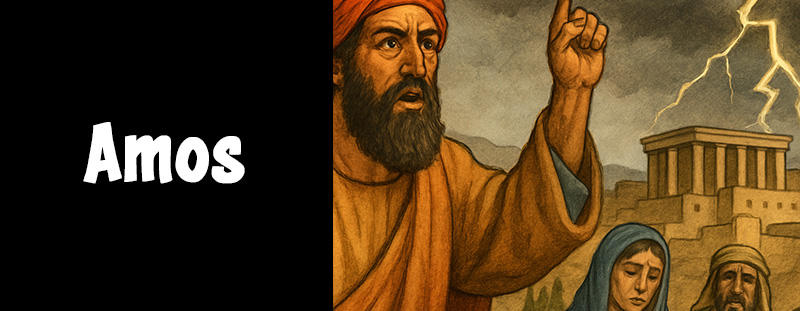
Amos chapter 1 opens with a powerful declaration of God’s judgment, emphasizing His sovereignty and intolerance of sin. Amos, a shepherd and prophet from Tekoa, delivers a series of oracles against Israel’s neighboring nations, exposing their cruelty and corruption. God’s voice “roars from Zion,” signaling that His judgment is both imminent and unavoidable. This chapter sets the tone for the entire book: the Lord demands justice and righteousness, and no nation, whether neighbor or Israel itself, is exempt from His scrutiny.
The chapter provides a window into God’s moral universe. Each judgment described is not random but corresponds to the specific transgressions of each nation—whether it be violence, betrayal, or oppression. The focus on the nations surrounding Israel underscores that God’s concern is universal; He is not a tribal deity but the righteous ruler of all the earth. Through Amos, we see a God who is holy, just, and deeply concerned with the ethical behavior of humanity.
The language is rich, emotional, and vivid. Love here is not cold or distant; it is affectionate, expressive, and purposeful. Scripture shows that God is not opposed to love or desire when it is ordered rightly. Instead, this chapter reveals love as a gift meant to be cherished, honored, and protected. In a broader spiritual sense, it mirrors the relationship between Christ and His people—a love marked by pursuit, delight, and commitment.
📜 Structure of Amos Chapter 1
Verses 1–2: The Prophet and the Roaring Lord
Amos begins by stating the time and context of his prophecy, during the reigns of Uzziah of Judah and Jeroboam of Israel. The imagery of God “roaring from Zion” conveys both majesty and terror. This roar symbolizes divine judgment against sin and injustice, warning that complacency and cruelty will not go unpunished. The prophecy reminds believers that God’s oversight extends over all nations, not only Israel.
Verses 3–5: Judgment on Damascus
The first oracle targets Damascus for its cruelty against Gilead. God accuses them of spilling blood in acts of violence and rebellion. This punishment illustrates that God holds nations accountable for acts of aggression and injustice. Amos shows that moral corruption is never invisible to God, and He ensures that wrongdoing meets consequences.
Verses 6–8: Judgment on Gaza
Gaza faces God’s wrath for its brutality against the people of Tyre and for enslaving entire communities. This highlights that God judges nations for exploiting and oppressing others. The destruction foretold reflects His intolerance of persistent cruelty, showing that power without righteousness invites divine judgment.
Verses 9–10: Judgment on Tyre
Tyre is condemned for aiding and abetting violence through political and economic complicity. God’s judgment reinforces that even those who profit from injustice, without direct bloodshed, are accountable. This serves as a warning for nations and individuals who exploit systems for selfish gain.
Verses 11–12: Judgment on Edom
Edom is punished for its persistent hatred and violence against its brother nation, Israel. This shows God’s concern for justice among kin and the protection of His chosen people. God’s judgment extends not only to acts of war but also to cruelty borne of envy and malice
Verses 13–15: Judgment on Ammon
Ammon is rebuked for its cruelty against pregnant women during war, a shocking violation of innocence. God’s wrath is directed against cruelty toward the defenseless, reinforcing His character as protector of the weak.
💡 Key Themes
✨ God’s Justice is Universal
God does not tolerate injustice, no matter the nation or the context. His moral law applies to all humanity.
✨ The Accountability of Nations
Acts of cruelty, oppression, and betrayal will face divine consequences. Power and privilege do not exempt anyone from judgment.
✨ God’s Concern for the Weak
From Edom to Ammon, the chapter highlights that God defends the helpless and demands righteousness toward the vulnerable.
👤 Key People
- Amos – Shepherd-turned-prophet, a voice of divine justice.
- Damascus, Gaza, Tyre, Edom, Ammon – Nations facing judgment for their sin.
- God – The righteous judge, sovereign over all nations.
🔥 Why This Chapter Matters
Amos 1 reminds us that God is not passive in the face of injustice. He evaluates nations and individuals alike, calling for ethical integrity and protection of the weak. The chapter challenges readers to examine their own societies and personal actions, emphasizing that God’s justice transcends borders and time.
💭 Let’s Reflect
- Are there areas in your community where injustice is ignored, yet God sees it?
- How do you respond to cruelty, oppression, or corruption in your surroundings?
- In what ways can you advocate for the weak, reflecting God’s character?
❓Ready to Go Deeper?
👉 Start reading Amos chapter 2 – God’s judgment continues on Judah and Israel.